
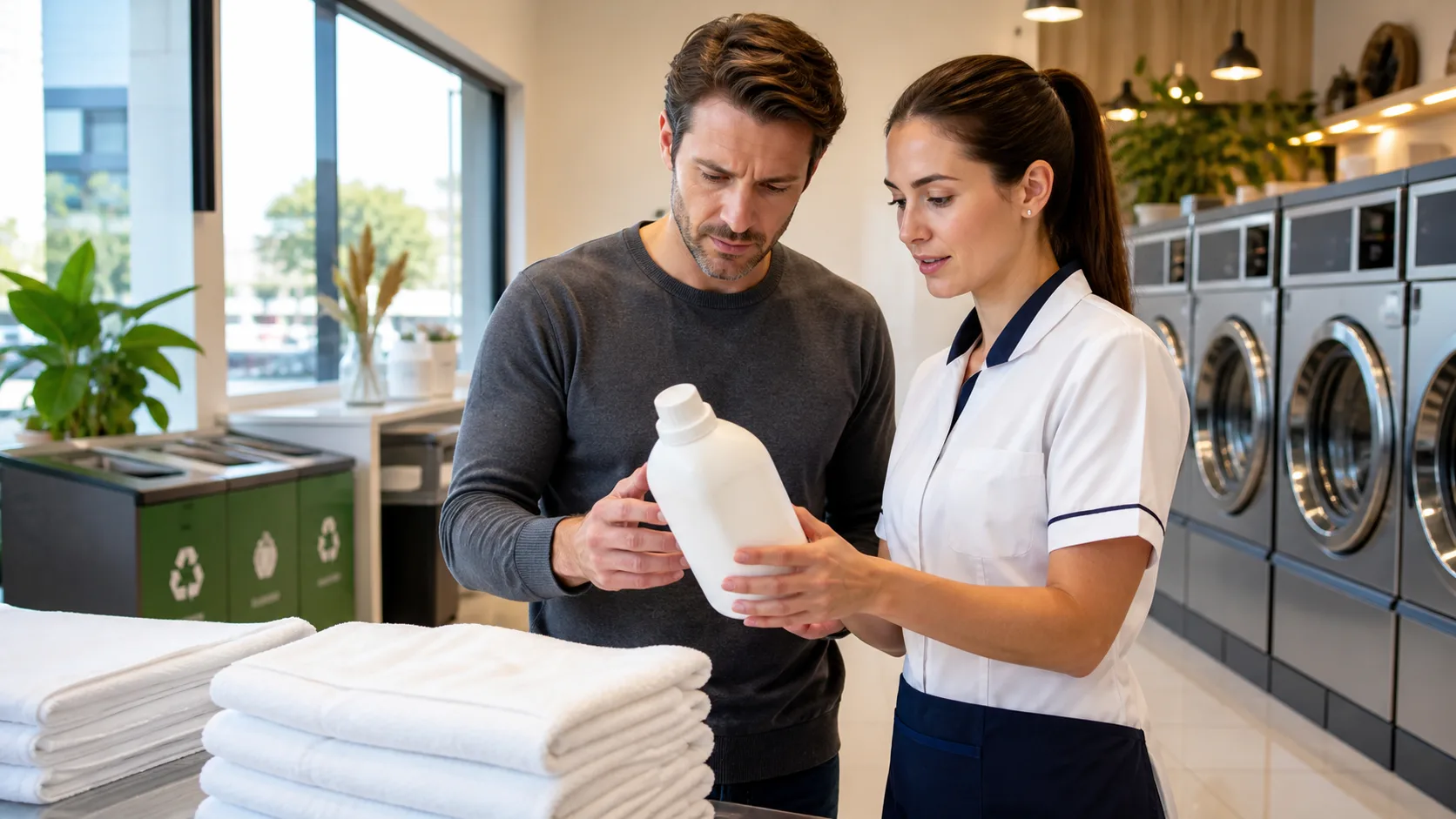
How to Spot Greenwashing in Glen Cove Laundry Services
Glen Cove’s Clean Laundry Promise Without the Greenwash
Choosing eco-friendly laundry might feel like a small thing, but it adds up fast, especially as the weather cools down. Thicker clothes, extra layers, blankets, and comforters all mean more loads and more trips to the cleaners. That is more water, more energy, and more products touching your skin and going into our local environment.
Greenwashing happens when a laundry or dry cleaner calls itself “green” or “eco” but does not actually back it up with real changes. The signs are often subtle, like leafy logos and buzzwords instead of clear information. That can leave you paying for “eco-friendly” service that is not really better for your health, your clothes, or Glen Cove’s air and water.
We want to help you spot the difference. By the end of this guide, you will know how to tell when an eco-friendly laundry service in Glen Cove is actually walking the walk, from the products they use to the machines they run and the way they package your clean clothes.
Decoding Eco Labels and Certifications That Actually Matter
A true eco-friendly laundry service will not just say “green,” it will show you proof. One of the easiest ways to check is to look for recognized third-party labels on products and equipment.
Some common, credible certifications include:
- EPA Safer Choice, which focuses on ingredients that are safer for people and the environment
- Green Seal, which reviews product performance, health impacts, and environmental standards
- Leaping Bunny, which means products are certified cruelty-free
- Energy Star, which applies to washers, dryers, and other equipment that use less energy
These labels have rules and testing behind them. On the other hand, be careful with vague or self-made “certificates.” If you see things like “All-Natural Certified,” “Non-Toxic Approved,” or a fancy leaf-and-globe logo that you cannot match to a known program, treat it as a red flag.
Here are quick ways to check on the spot:
- Use your phone to search the name of the certification and see if it is a real, recognized program
- Look at the cleaner’s signage or website for details about specific standards they follow
- Ask staff which third-party programs they rely on and what those programs actually cover
A service that is truly eco-focused will not be annoyed by those questions. They will usually be glad you care enough to ask and will be ready with clear answers instead of marketing buzzwords.
Reading Detergent Ingredients Like a Pro
Detergent and dry-cleaning products touch every item that goes through a laundry. When you know a few key terms, you can spot products that are not as gentle as they sound.
Common red flags include:
- Phosphates, which can affect waterways when they rinse down the drain
- Optical brighteners, which only make clothes look whiter and can irritate sensitive skin
- Chlorine bleach, which is harsh on fabrics and can create fumes
- Heavy artificial fragrances, which can bother allergies and linger in small spaces
- Petroleum-based solvents used in traditional dry cleaning
Safer, more eco-conscious options often look like this:
- Plant-based surfactants instead of petroleum-based cleaners
- Hydrogen peroxide-based whiteners in place of chlorine bleach
- Fragrance-free or lightly scented formulas for those with sensitivities
- Alternative cleaning methods, such as professional wet cleaning or CO₂ systems, instead of old-style PERC dry cleaning
An eco-friendly laundry service in Glen Cove should be open about the products they use. Some signs of real transparency are:
- Sharing ingredient information or product names when you ask
- Offering fragrance-free options for wash and fold orders
- Explaining why they chose certain detergents, not just saying “it is green”
If a business refuses to share any details or says “it is our secret formula,” that is a good reason to question how green their process actually is.
Water and Energy Use That Back up Green Claims
Real sustainability shows up in how a laundromat uses water and energy, especially when laundry loads increase with colder weather and heavier fabrics. Modern high-efficiency washers use less water per load and spin more water out, which also helps dryers work faster. Lower-temperature cycles can clean well when paired with the right detergents, which cuts energy use further.
From the customer side, you can look and ask for simple clues:
- Are the washers and dryers labeled as high efficiency or Energy Star where possible?
- Are there signs suggesting the best cycle choices for different fabrics and soil levels?
- Do the dryers appear well-maintained, with clean lint traps and even heating?
- Does staff talk about filling machines to proper levels instead of running lots of tiny loads?
A truly eco-minded laundry will pay attention to this behind the scenes too. That might include tracking how much water and gas or electricity they use, upgrading older machines over time, and training staff on smart loading and cycle choices.
Be careful with vague promises like “eco cycle” buttons that do not explain what they change. If a machine offers a special cycle, you should be able to ask what is different, such as lower temperature or less water, and get a clear answer.
Packaging, Pickup, and Delivery Without the Waste
It is easy to focus on detergents and forget about packaging, but all those bags and hangers add up. Plastic garment covers, single-use wire hangers, and thick plastic wash and fold bags can pile up at home, especially if you use pickup and delivery often.
Responsible packaging choices usually look simple, not fancy:
- Reusable laundry bags for pickup and delivery
- Minimal plastic wrapping, or recycled-content bags when needed
- Hangers that can be reused or easily recycled
- Clear instructions for returning bags and hangers on your next order
On the delivery side, some services talk about “carbon-neutral” or “green delivery” without giving details. When you hear those phrases, consider asking:
- Do they plan routes to cut down on extra driving?
- Do they use fuel-efficient or lower-emission vehicles where possible?
- If they mention offsets, do they name a program or method, or is it just a vague claim?
Real efforts to reduce impact are usually quite practical and easy to explain. If the answer sounds fuzzy or overly polished, it may be more marketing than substance.
Choosing a Truly Eco-Friendly Glen Cove Laundry Partner
When you compare options, it helps to have a simple checklist. An eco-friendly laundry service in Glen Cove should be able to show:
- Proof of any product or equipment certifications they talk about
- Clear information on the types of detergents, softeners, and solvents they use
- High-efficiency or Energy Star equipment where possible
- Thoughtful, lower-waste packaging and reusable or recyclable hangers
- Honest answers about what they are doing now and where they are still improving
You do not have to change everything at once. You might start with one eco-focused wash and fold order, or send bulky winter blankets to a laundromat that uses high-efficiency machines instead of washing them at home. You could also shift your regular pickup and delivery to a service that meets more of the points on your checklist.
At Glen Street Laundromat, we care about keeping clothes clean while being respectful of our North Shore community. We encourage you to ask questions, compare practices, and choose the partner that feels right for your home, your health, and the place we all share.
Choose Cleaner Clothes With a Greener Laundry Solution
If you are ready to cut down on harsh chemicals and save time on linens, our eco-friendly laundry service in Glen Cove is built to fit your schedule and quality standards. At Glen Street Laundromat, we use high-efficiency equipment and responsible detergents to keep your fabrics looking their best while reducing waste. Reach out so we can discuss your laundry volume, pickup needs, and any special care instructions. Have questions or want a custom quote today? Just contact us and we will help you get started.
